


Why it service management itsm Is Essential Today

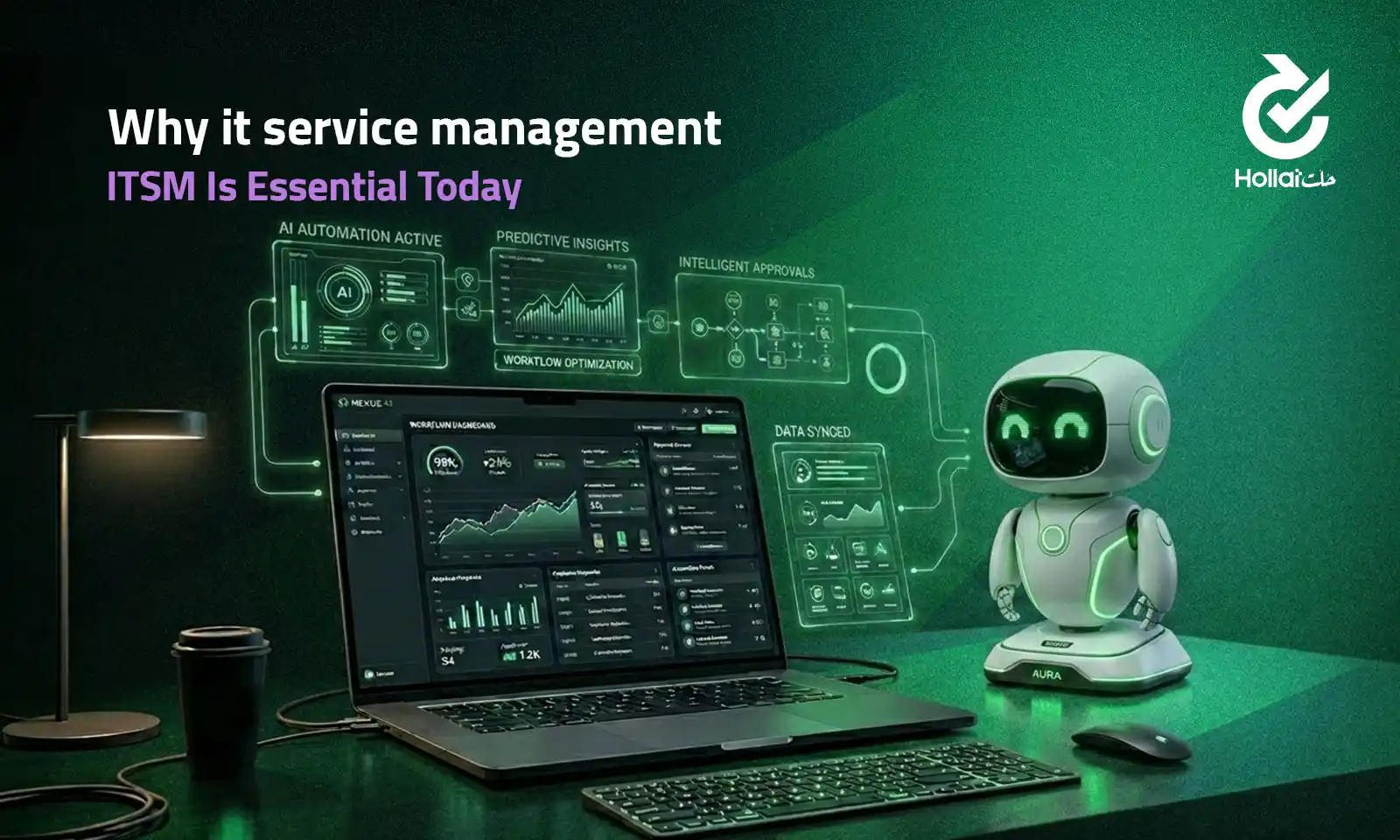
With the growing reliance on technology, businesses are putting a high priority on reliable and efficient IT services. Businesses require organized ways of managing IT operations, assisting users and keeping the quality of services. it service management itsm is a key component of this. The adoption of effective ITSM practices can help companies streamline their processes, enhance customer satisfaction, and ensure long-term success. Modern organizations also leverage it service management itsm in conjunction with IT operations management, service desk applications and digital tools to enhance service delivery and drive innovation.
What Is ITSM (IT Service Management)?
IT service management ITSM is the processes, policies and technologies that are designed, delivered, managed and improved to create IT services. The aim of ITSM is to make sure that IT services are aligned to business goals and support users with reliable help and efficient solutions.
ITSM is not just about managing technology; it’s about managing services. From incident and service requests to system updates and performance enhancements.
Many organizations are integrating ITSM implementation strategies with CRM and API integration in cloud-based platforms by top software as a service companies.
How Does ITSM Improve Service Delivery?
A robust ITSM framework enhances the quality of services and operational efficiency throughout the organization.
Promotes Flexibility
ITSM allows businesses to remain agile in response to changing requirements, new technologies, and customer expectations. Organizations can adapt their service processes to meet market needs and growth by using flexible service management processes.
Enforces Standardization
Standardization is one of the key advantages of ITSM. By establishing consistent procedures and clearly defined workflows, organizations can ensure that IT teams follow the same processes when handling incidents, service requests, and system changes. This reduces the risk of human error, improves service reliability, and creates a more predictable support environment.
Standardized operations also make it easier to train employees, maintain compliance requirements, and measure performance across departments. As a result, businesses can deliver higher-quality IT services, improve collaboration between teams, and provide a better overall experience for both employees and customers while supporting long-term operational efficiency and business growth.
Improves Visibility
ITSM provides clear insights into service performance, incident trends, and resource utilization. Increased visibility enables managers to make decisions and to determine areas for improvement.
Drives Process Efficiency
ITSM simplifies operations and frees up manual resources via automation and workflows. This results in quicker service delivery and higher productivity.
Accelerates Response Times
With the help of a modern service desk system and the best ticket management system, organizations can better prioritize issues and respond to requests faster, enhancing the user experience.
Core Processes of IT Service Management (ITSM)
There are several IT service management processes that enable successful ITSM implementation that will contribute to service quality and operational excellence.
Incident Management and Issue Resolution
Incident management deals with getting service operations back to normal as soon as possible when they are disrupted. Effective incident management helps to limit downtime and impact on business.
Request Fulfillment and Service Requests Handling
This process handles standard service requests like software access and account creation, password resets, and hardware provisioning. Automated workflows help improve response times and user satisfaction.
Problem Management and Root Cause Analysis
Problem management is the process of detecting common problems and determining their causes. This helps organizations avoid future incidents and better ensure service stability by addressing underlying issues.
Change Management and IT Updates Control.
Change management aims to plan, test, and deploy system changes, infrastructure changes, and software changes in an environment with minimal impact to the business.
Key Benefits of IT Service Management (ITSM) for Businesses
By implementing ITSM, organizations can reap several benefits, such as:
| Benefit | Business Impact |
| Improved Service Quality | More consistent and reliable IT support |
| Faster Resolution Times | Reduced downtime and disruptions |
| Increased Productivity | More efficient workflows and processes |
| Better Customer Experience | Faster support and improved satisfaction |
| Enhanced Compliance | Standardized governance and documentation |
| Lower Operational Costs | Reduced inefficiencies and manual work |
| Improved Decision-Making | Data-driven insights through reporting and analytics |
These advantages render ITSM a key aspect of contemporary business operations.
ITSM Challenges and How to Overcome Them
Although ITSM can provide a lot of value, there are some challenges that can arise during implementation.
Common challenges include:
- The refusal to accept change within the organization.The opposition to organizational change.
- Lack of process standardization.
- Insufficient staff training.
- Poor system integration.
- There is a lack of visibility of the performance of the services.
To address these challenges, businesses can invest in employee training, choose scalable ITSM solutions, set up governance policies, and utilise automation technologies to boost efficiency.
The Best IT Service Management (ITSM) Solutions by Hollat
Hollat platform offers high-end ITSM solutions that enable organizations to better manage their IT services. By leveraging intelligent automation, centralized service management, and robust reporting tools, enterprises can optimize their operations and provide outstanding customer experiences.
Hollat’s solutions support:
- Processes for it service management itsm.
- IT operations management.
- The application of a service desk system.
- Workflow automation
- CRM integration with API.
- crm ticket system.
- Digital transformation IT projects.
- Optimization of ticket management and support.
From the initial stages to optimizing current processes, Hollat provides scalable solutions for organizations to support growth, efficiency, and digital transformation.
FAQ
IT service management itsm is what?
IT service management itsm is a systematic method that allows the design, delivery, management, and enhancement of IT services to accomplish business and user requirements.
What are the key ITSM processes?
The main ITSM processes are incident management, request fulfilment, problem management, change management, service asset management, and service level management.
How does IT help companies in Saudi Arabia?
In Saudi Arabia, it service management itsm can assist businesses in achieving greater operational efficiency, delivering high-quality services, facilitating digital transformation efforts, and ensuring adherence to industry standards.
Which tools do you use to implement ITSM?
Service desk systems, ticket management platforms, workflow automation, monitoring solutions, analytics platforms, and crm with api integration are usually utilized by organizations.
What is the role of ITSM in digital transformation?
ITSM helps organizations to standardize processes, enhance service delivery, automate, gain visibility and implement new technologies efficiently as part of digital transformation.