


Restaurant Management System to Automate Operations

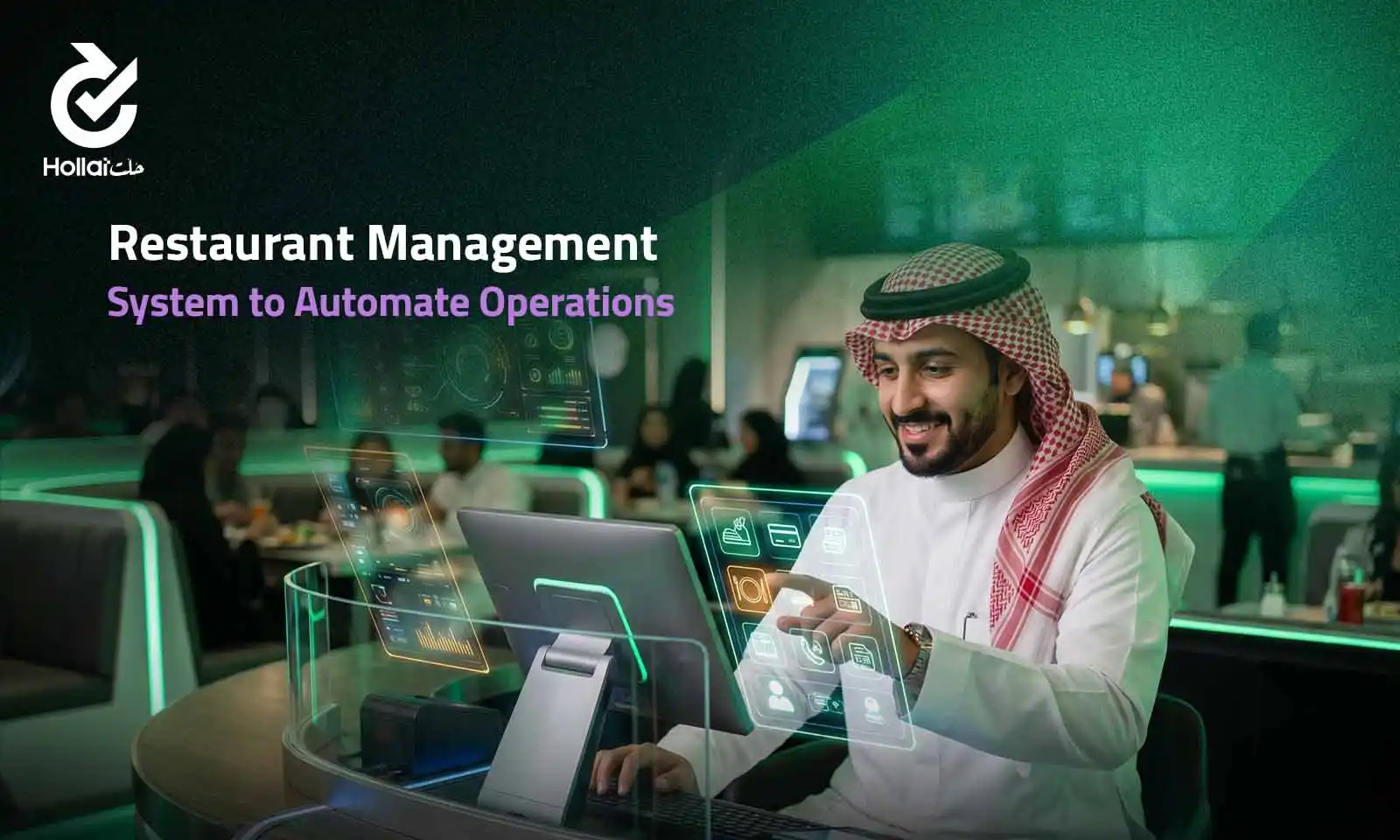
The restaurant sector is becoming more competitive, and customer expectations are continuing to grow. Owners of restaurants are expected to operate their establishments in an efficient manner, provide quality service, have quick turnaround time for orders, and keep inventory up-to-date. Manual workflows can cause delays, result in team communication mistakes, and be expensive. This is the reason many businesses are turning to a restaurant management system so that they can be automated and improve overall restaurant performance.
What Is a Restaurant Management System
A restaurant management system is a digital tool that helps restaurants automate their workflows, streamline operations, and manage everything in one place.
These systems are used in restaurants to enhance efficiency in various aspects of the business, such as:
- Order management
- Table reservations
- Inventory tracking
- Billing and payments
- Staff coordination
- Customer communication
- Reporting and analytics
- Workflow automation
A restaurant management system brings all the processes together in one place, rather than using disjointed systems or manual tracking procedures.
This helps to make things more visible, helps to keep things on track, and helps to ensure better communication between the front of the house and the back of the house.
Key Features Every Restaurant Needs
Any restaurant that is in the modern times demands flexible technology for customer service along with internal management.
A good restaurant software system ought to have performance enhancing characteristics and make everyday jobs easy to deal with.
Essential Features Include:
- Real-time order management
- To keep track of inventory and stocks.
- Automated billing and invoicing.
- Seamless integration with POS systems.
- Customer communication management
- The data embedded in the reporting and operational analytics.
- Automating workflows and tasks.
- Multi-branch operational support
The right platform can help restaurants run more efficiently and consistently provide great service.
Benefits of the Ordering Process Automation include:The Ordering Process Automation offers the following benefits:.
| Feature | Operational Benefit |
| Order Automation | Faster order processing |
| Inventory Tracking | Reduced stock shortages |
| Reporting Dashboards | Better business visibility |
| POS Integration | Centralized transaction management |
| Workflow Automation | Reduced manual workload |
| Payment Integration | Faster customer checkout |
| Multi-Branch Management | Easier operational control |
These features enable restaurant managers to monitor the restaurant’s operations in real time and react quickly to operational issues.
Improving Order and Inventory Management
Accurately ordering and managing inventory is essential to the success of a restaurant and customer satisfaction. Handling orders manually and keeping track of inventory can lead to delays, inefficiencies and departmental communication issues.
A restaurant management system can streamline these tasks to enhance the efficiency of restaurant operations.
The advantages of Automated Order Management include:The pros of Automated Order Management are:
- Improved kitchen team order routing times.Smoother flow of orders to kitchen staff.
- Reduced communication errors
- Improved service speed
- Better customer experience
- More convenient order monitoring and tracking.
Automation ensures that the customer requests are swift and are passed back and forth between the service teams without manual coordination.
Integration with POS and Payment Systems
Today’s restaurants have placed a strong emphasis on digital transactions and quick service. Seamless integration of operational workflows and POS/payment systems streamlines the business, minimizes transaction delays, and boosts efficiency.
A restaurant management system can be connected with:
- Point-of-sale systems
- Digital payment platforms
- Accounting software
- Customer management systems
- Operational reporting tools
Integrated systems enable better communication between departments and minimize data duplication.
For instance, during order processing via POS, inventories can be updated instantly. Management teams can then view operation dashboards to track sales performance, transaction activity and operational trends.
Automating Daily Restaurant Tasks
Reduce manual restaurant tasks by automation.Minimize staff manual work by automation.
There are numerous repetitive functions undertaken by restaurants every day that eat up resources and time. Manual coordination can be time-consuming and lead to delays and human error.
A restaurant management system can assist in automating the following tedious tasks:
- Staff scheduling
- Order tracking
- Inventory updates
- Billing approvals
- Customer notifications
- Operational reporting
By saving time on repetitive administrative tasks, automation boosts productivity, enabling workers to concentrate on customer service.
For instance, automated work processes can automatically alert the kitchen personnel on new orders, update the stock after sales, and produce operational reports without the need of manual data entry.
How Technology Transforms Restaurant Operations
Technology is transforming the foodservice industry’s approach to customer service, operations and business.
Investing in digital solutions can lead to better results for restaurants, such as:
- Operational visibility
- Service quality
- Staff productivity
- Customer engagement
- Financial management
A restaurant management system offers a single platform for all restaurant operations and data, offering the managers a single place to track restaurant performance.
Real-time analytics can provide insights into patterns, track busy times, assess operational efficiency, and optimize strategic decision-making.
Technology also helps with scalability. The current demand among customers to enjoy a meal in a restaurant doesn’t need to add much to the complexity of the restaurant’s operation if that’s the case.
With ever-changing customer demands, digital restaurant management is a must-have for sustaining and long-term success.
Boost Your Restaurant Performance with Hollat Systems
Hollat offers workflow automation and operational management solutions to streamline services, automate workflows and enhance communication within departments. Centralized management features enable businesses to streamline operations and boost efficiency on a larger scale. Hollat Official Website
Hollat solutions empower organizations to do the following:
- Implement automated workflows and approvals
- Improve operational visibility
- Centralize communication channels
- Track performance using dashboards.
- Handle requests and services effectively
- Strengthen team interactions
Scalable workflow and operational management systems can boost productivity and facilitate seamless daily operations within businesses.
Contact Hollat
Any organization looking to upgrade operational management and automate the workflow can reach out to Hollat to discuss scalable, digital solutions for enterprise and service use.
Come to Hollat to find out more about workflow automation and operational management solutions.
FAQs
What is a restaurant management system?
A restaurant management system is a digital platform that helps restaurants automate operations, manage orders, track inventory, and improve workflow efficiency.
How does automation improve restaurant operations?
Automation reduces manual tasks, improves communication, accelerates order processing, and enhances operational accuracy.
Can restaurant management systems integrate with POS systems?
Yes, modern restaurant management systems integrate with POS systems to centralize transactions, improve reporting, and automate operational workflows.
Why is inventory management important for restaurants?
Effective inventory management helps reduce waste, prevent shortages, improve purchasing decisions, and increase profitability.