


Hospital Information System (HIS) Solutions for Modern

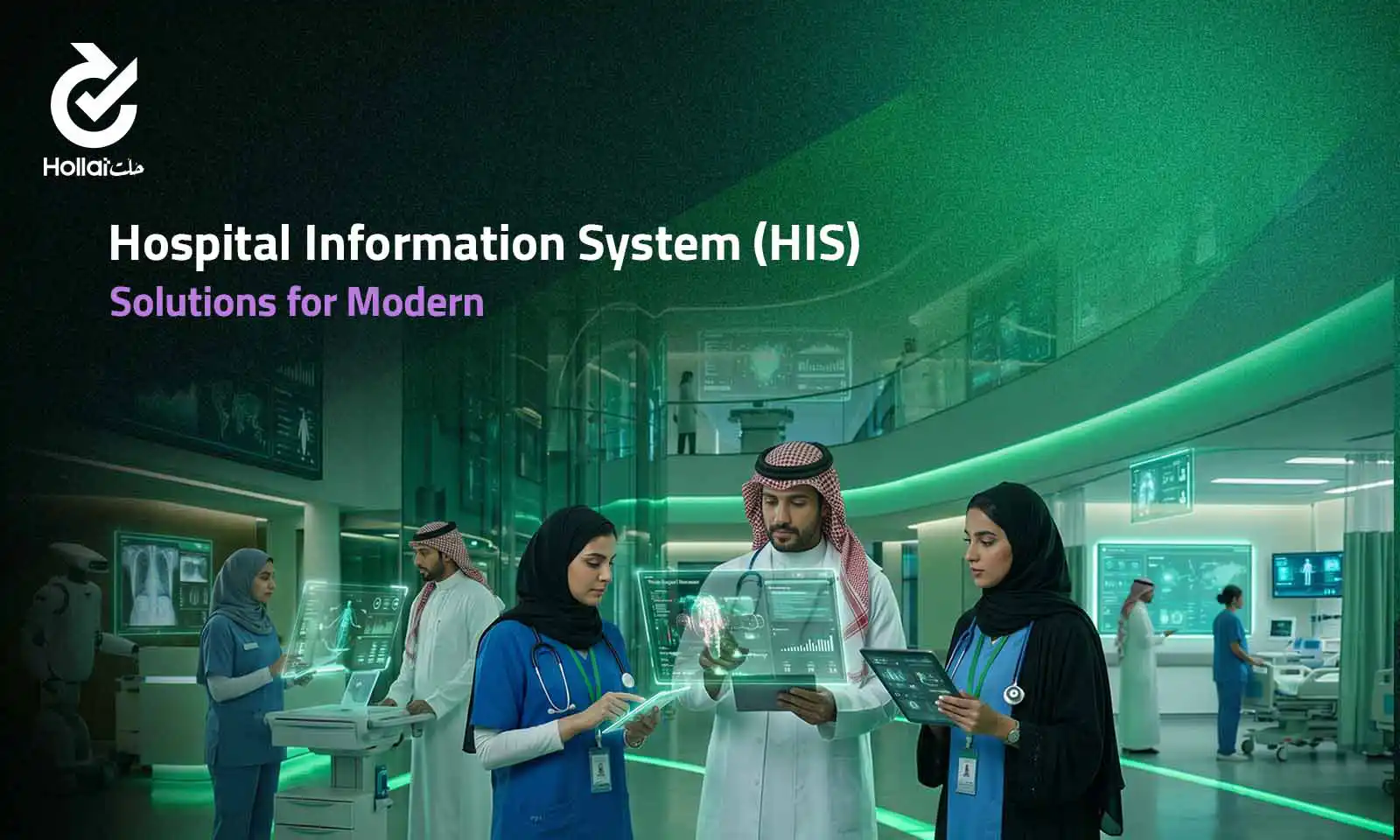
Among today’s pressing demands on healthcare organizations are the need to enhance patient care, to cut down on operational costs, and to efficiently manage the increasing volume of medical data.
Manual paper workflows and siloed systems can lead to delays, added administrative burden, and hindered intra-departmental communication. That is why hospitals and other healthcare facilities are quickly implementing hospital information systems solutions to streamline operations and deliver quality healthcare.
What Is a Hospital Information System (HIS)
A hospital information system (HIS) is an integrated system that manages all healthcare activities, patient data, medical workflows, and administrative tasks from a single, central point. Hospitals, clinics, and healthcare providers benefit from the hospital information system solutions by managing their operational and clinical information efficiently.
An average HIS platform can consist of the following:
- Patient registration management
- Electronic medical records (EMR)
- Appointment scheduling
- Billing and financial management
- Laboratory and radiology processes
- Pharmacy management
- Reporting and analytics
- The automation and approvals of workflow.
Hospital information system technology provides a way to streamline and coordinate the operation of healthcare organizations instead of having to use disjointed tools and manual documentation.
Importance of Digital Transformation in Healthcare
In today’s healthcare landscape, where institutions are facing growing demands from patients and need to deliver quality care, digital transformation is essential.
Healthcare providers who are still mostly paper-based have a lot of problems including:
- Delayed patient services
- Incomplete medical records
- Communication issues between departments
- High administrative workload
- Challenges in monitoring performance of the business (4)
A hospital information system can tackle these challenges by automating processes and providing easy access to real-time data.
Improving Patient Care Through Automation
Automation for better patient care is one of the major benefits that a hospital information system can offer.
Documentation, approvals, scheduling, and administration are tasks that take up a lot of a healthcare professional’s time. Automation alleviates this burden and enables medical staff to concentrate more on patient treatment and clinical decision making.
Automation can be used to assist with patient care in the following ways:
- Improved patient registration procedures:
- Minimizing appointment wait times
- Automating workflow approvals
- Improving the communication between the departments.
- Making medical records more available
- To decrease patient waiting time.
Automated healthcare workflows can lead to better patient experiences and service quality in healthcare facilities.
Managing Medical Records Efficiently
Medical record management is one of the most important tasks of the hospital information system, and it is very important to have it managed efficiently.
Patient data is abundant in healthcare organizations, ranging from medical histories and prescriptions to laboratory results, imaging reports, and treatment records. It is more difficult to manage this information manually, which poses a risk of missing or incomplete data.
There are a number of benefits to digital record management:
| HIS Function | Operational Benefit |
| Electronic Medical Records | Faster access to patient data |
| Centralized Information | Improved communication between departments |
| Digital Documentation | Reduced paperwork and storage costs |
| Automated Updates | More accurate patient records |
| Reporting and Analytics | Better operational visibility |
| Secure Data Access | Controlled access to sensitive information |
The centralized HIS streamlines patient data retrieval and updates, enabling healthcare teams to access and manage patient information securely and efficiently from a single location.
This aids in the accuracy of treatment and helps medical departments work together.
Reducing Administrative Workload
There is a significant proportion of hospital resources and employee time dedicated to administrative work. Paper documentation, isolated communication, tedious manual data entry, and manual approvals can hinder processes.
The use of a hospital information system can alleviate recurrent tasks and simplify the management of operations by organizing them in a single center.
Some key administrative enhancements include:
- Automated appointment scheduling
- Invoicing and billing becomes quicker and faster.
- Workflow-based approvals
- Digital patient registration
- Centralized communication management
- Real-time operational reporting
Healthcare organizations can gain efficiency in staffing and better utilize their time by eliminating repetitive tasks.
Enhancing Data Accuracy and Security
Patient data in healthcare organizations is incredibly important and needs robust security and proper record management.
A hospital information system helps to ensure data accuracy by minimizing manual data entry mistakes and standardizing documentation procedures.
Today’s health care platforms also offer sophisticated security features such as:
- Role-based access controls
- Data encryption
- Secure workflow approvals
- The ability to use activity tracking and auditing.
- Centralized data management
- The use of backup and recovery systems.Backup and recovery systems.
These benefits facilitate healthcare practices to keep up compliance standards, safeguard patient privacy, and foster trust in health care practices.
Challenges in Implementing HIS
While a digital health system offers many advantages, a hospital information system can be challenging to operate.
There are some common difficulties in implementation, such as:
- Ensuring seamless access to current health care systems.Linking to existing healthcare systems.
- Employee training & adoption
- Data transfer from the old systems.
- Workflow customization requirements
- Deployment and operational change management
- Ensuring cybersecurity and compliance
The key to HIS success is meticulous planning, training of users, and adaptability to the organization’s needs.
Upgrade Your Hospital Systems with Hollat Solutions
Hollat offers digital workflow and service management solutions to streamline operations, automate processes, and enhance communication across departments. Centralized workflow management and automation features enable healthcare companies to offer better visibility and streamline day-to-day administrative duties.
Organizations seeking modern workflow automation and digital operational management solutions can contact Hollat to explore scalable systems designed for healthcare and enterprise environments.
Visit the Hollat Official Website to learn more about workflow automation, service management, and digital transformation solutions.
FAQs
What is a hospital information system used for?
A hospital information system is used to manage healthcare operations, patient records, workflows, scheduling, billing, and communication through one centralized digital platform.
How does a hospital information system improve patient care?
A hospital information system improves patient care by automating workflows, reducing delays, improving access to medical information, and supporting better coordination between departments.
Can HIS platforms improve data security?
Yes, modern HIS platforms include security features such as access controls, encryption, activity tracking, and secure data management to protect patient information.