


The best system secure electronic signature for government

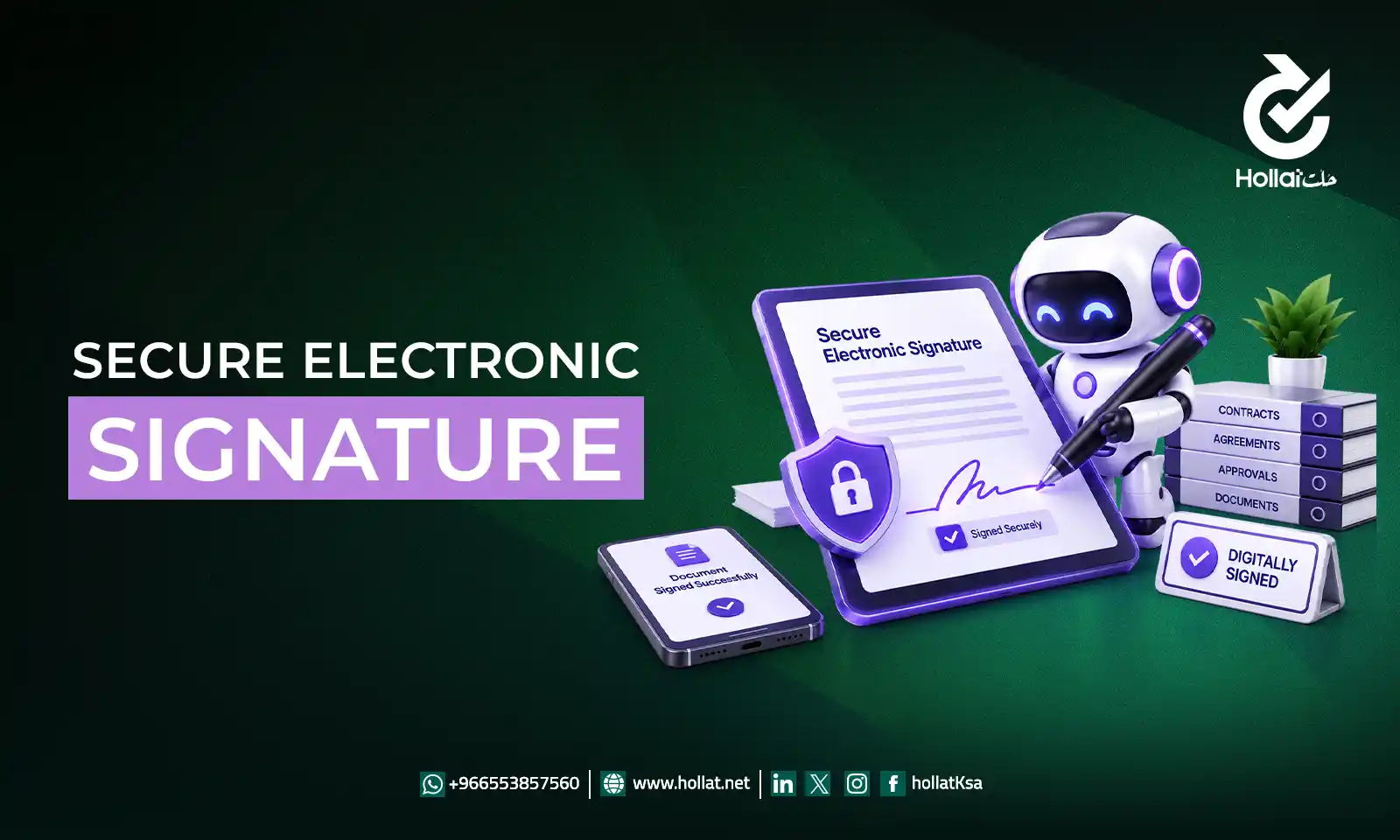
The approval of government documents in Saudi Arabia can be achieved without the use of paper, retaining security, accountability, and control over government documents by using a secure electronic signature.
Government services are constantly undergoing changes, so it’s important that organizations have an accurate authentication of the signers, document integrity and unalterable records of all transactions in their digital solutions.
Electronic signing capabilities designed to fit today’s government workflows—such as Hollat’s capabilities in Masar—are helping to drive this change. Government agencies can enhance efficiency without sacrificing trust or security, by integrating signing and workflow with digital document management.
What Is a Secure Electronic Signature?
A secure electronic signature Saudi Arabia is a digital means of approving or signing a document that includes the use of authentication, verification and security controls to aid in the confirmation of the identity of the signer and to assure the integrity of the signed document. A secure solution can offer more robust controls over who signed it, when it was signed and whether or not it was subsequently altered compared to a plain electronic mark or typed name.
This distinction is especially crucial for government bodies. Official documents may have information that is sensitive, approvals, contracts, applications, administrative decisions. A secure signing process should therefore provide the ability to authenticate, to control access, offer audit trails and ensure that the document integrity is maintained.
The implementation of secure electronic signatures can also play a role in digital transformation by streamlining document signing and physical document exchange and replacing them with digital processes. Documents can be sent for approval, documents can be signed electronically by those who have the power to sign, and organizations can keep digital copies throughout the process.
This translates to more efficient government transactions and visibility and accountability.
Benefits of Using Masar for Government Entities
Government organizations tend to have many documents which need to get a number of approvals. Using electronic signing within structured digital workflows can help simplify these processes and Masar can help. Key benefits include the following:
- Quicker approvals: documents can be shared between authorized users without having to be printed, delivered, or manually followed up.
- Better security: Authentication and access control can help to ensure that documents are accessed and signed by authorized users.
- Enhanced traceability: Digital records can offer transparency on signing phases and approvals.
- Less administrative burden: Automated workflows can minimize repetitive tasks of preparing, sending, and tracking documents.
- Reduce paper usage: Digital signing can facilitate paperless government operations and streamline document management.
- Workflow integration: Electronic signatures can be integrated into larger approval and business processes instead of just being used as a stand-alone element.
- Better document control: Organizations can have signed documents in a structured digital environment.
These functions are particularly important for entities seeking electronic signature solutions in Saudi Arabia, especially as government institutions increasingly embrace digital-first business operations.
How to Implement Secure Electronic Signature Solutions?
Determining what to use as a signing tool is not enough to get secure electronic signatures working. Before deployment, think about the processes, security needs, user roles and integration requirements you have within the government entity.
1. Identify Documents and Workflows
Determine the document types that need to be signed and who in each department or user needs to be involved in each approval process. This can involve contracts, approvals within the organization, letters of approval, procurement paperwork, and service transactions.
2. Define Security Requirements
The organization needs to establish its needs for authentication, authorization, access control, auditability, and integrity of the documents for signing. These requirements aid in developing the security architecture for implementation.
3. Connect Signing With Existing Systems
The successful implementation should complement the existing enterprise applications. Seamless integration with a document management system lets organizations manage documents prior to, during and after signing without creating disjointed processes.
4. Establish User Roles and Permissions
The signing authorities may vary by employee/by department. Clear permissions should be set to specify who may access, approve, sign or manage a particular document.
5. Configure Audit and Tracking Capabilities
There should be the opportunity to monitor key milestones during the signing process. This ensures increased accountability and helps to review finished transactions.
6. Train Users and Monitor Performance
Staff should be aware of signing requests, signing their own name, and reviewing and signing a document. Organizations can track workflows after deployment and tune them as per the real time usage.
Implementing e-signature solutions Saudi with the right approach can help streamline workflows and ensure proper governance and security measures are in place for Saudi organizations.
| Implementation Step | Key Focus |
| Identify Documents and Workflows | Determine which documents require signatures and approval workflows. |
| Define Security Requirements | Set authentication, authorization, access control, and document integrity requirements. |
| Connect Existing Systems | Integrate electronic signatures with the existing document management system. |
| Establish User Permissions | Define who can access, approve, sign, and manage documents. |
| Configure Audit Tracking | Monitor signing activities and maintain clear transaction records. |
| Train Users | Train employees and monitor workflows to improve performance over time. |
How Hollat Is Driving Innovation and Trust Across Saudi Arabia
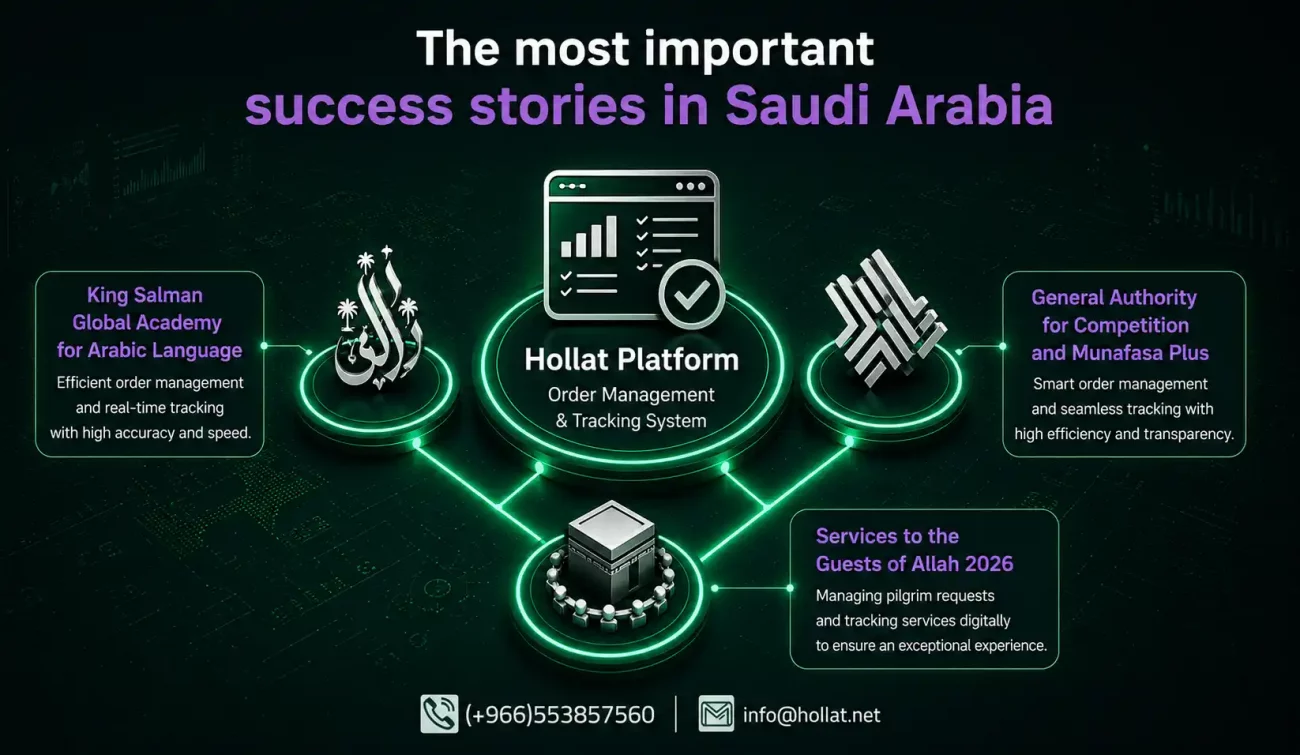
By building solutions for real business needs, Hollat can help companies start their digital transformation. Its strategy is centered around linking digital processes, documents, approvals and user interactions that can enhance organizational efficiency.
The company’s operations in Saudi Arabia are also an example of the ability of the digital platform to serve organizations of various sizes and service needs.
King Salman Global Academy for Arabic Language
An institution like the King Salman Global Academy for Arabic Language has opportunities for digital processes that are structured.Structured digital processes can help administrative and institutional processes in institutions such as the King Salman Global Academy for Arabic Language. Digital workflows are tools that can be used to minimize the manual processes and enhance the document and approval flow between authorized individuals.
General Authority for Competition and Munafasa Plus
The General Authority for Competition and Munafasa Plus emphasize the importance of an effective digital process in government sectors. Electronic management of documents and approvals can enhance the visibility of workflows and minimize reliance on physical documents.
For government organizations that need digital signature government KSA capabilities, these are just examples of the significance of secure, connected, and scalable solutions.
Services to the Guests of Allah 2026
Services with regard to the Guests of Allah entail a coordinated working, swiftness and reliable exchange of information. Digital platforms can play a role in achieving these goals by providing organizations with more efficient process and document management.
The examples are representative of the Saudi Arabia’s overall digital transformation and highlight the significance of secure digital workflows in the digitalization of government and public sector services.
How Hollat Delivers Secure Digital Signature Excellence
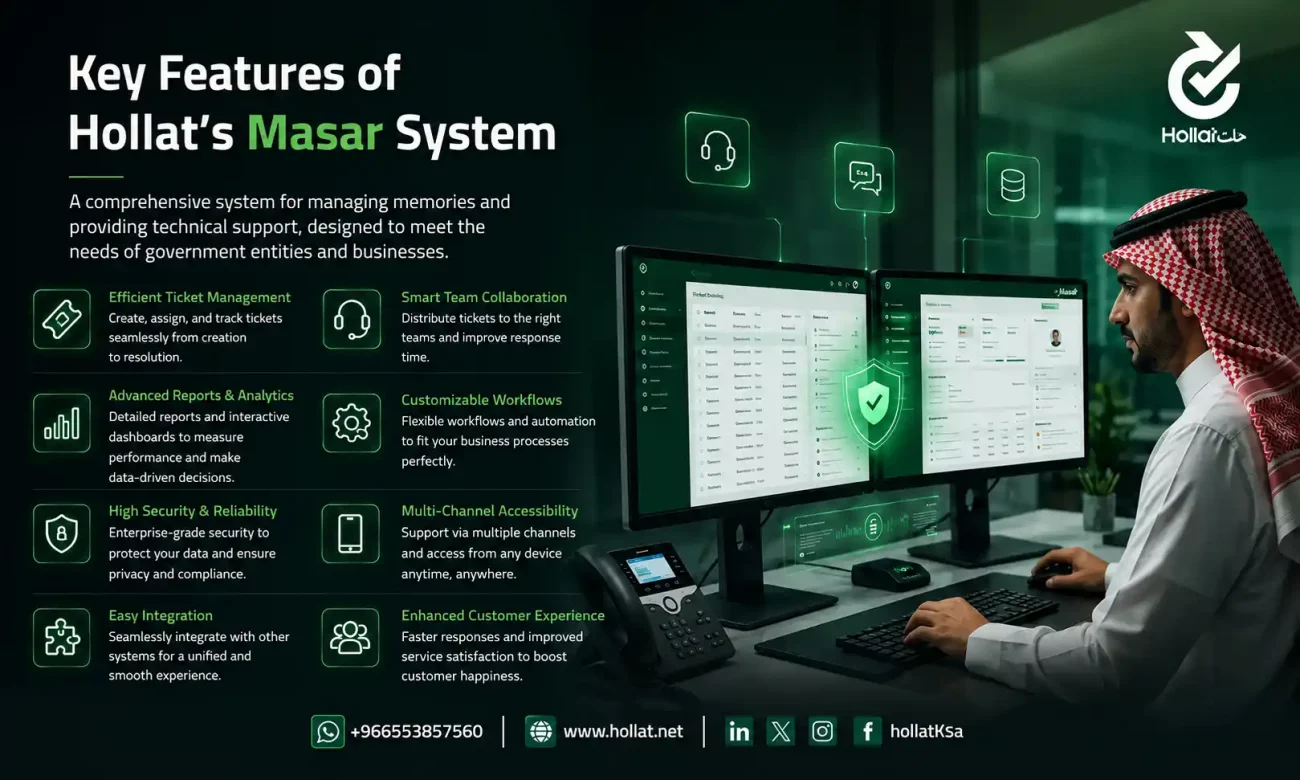
Hollat’s digital signing solution emphasizes security and workflow management. Electronic signatures do not have to exist in isolation, but can be integrated into broader business and government processes.
One of the main benefits is allowing for the integration of signing and document workflow. By doing this, organizations can have a tighter grip on documents when they are created, approved and stored.
Security is also a key aspect of the process. If it’s official or sensitive information that organizations handle, some key factors to take into account include authentication, permissions, tracking, and document integrity. These capabilities can assist developing a more controlled signing environment.
Integration is another important factor. There are many applications in use today by government agencies for record, workflow, communication and secure document management. Combining these systems with electronic signatures can help to eliminate duplication and enable staff to work from a single digital environment.
Scalability also matters. The more that organizations move to digitalize more departments and processes, the more users, documents and transactions the signing solution can handle without becoming overly complex.
With workflow automation and document management, Hollat adds to the electronic signature and enables organizations to create digital processes that are efficient, secure and accountable.
Get Started With Secure Electronic Signatures
Ready to streamline government approvals with a secure electronic signature solution? Contact Hollat today to explore Masar and find the right digital signing solution for your organization.
Frequently Asked Questions
Are Electronic Signatures Legally Valid in Saudi Arabia?
According to the Saudi Electronic Transactions Framework, electronic signatures are legally recognized provided that they comply with the framework’s requirements. The legal consequences, however, may be different depending on the transaction, document, signature and applicable regulations. Consider the unique application and requirements of the government entity before implementation.
What Is the Difference Between Secure and Standard E-Signatures?
A simple electronic signature may be a typed name or electronic signature. A secure electronic signature provides more robust authentication, access, verification, auditability and document integrity controls. It will vary according to the sensitivity and need of the transaction.
How Does Masar Ensure Secure Electronic Signatures?
The purpose of Masar is to integrate electronic signing to controlled digital workflows. Security may include user authentication, permissions, document tracking and retention of signing events. Control measures should be set up based on the organization’s needs and regulatory requirements.
Can Electronic Signatures Integrate With Document Management Systems?
Yes. Organizations can use e-signatures to support the entire lifecycle of documents as they integrate e-signatures into their document management systems. Through integration, users can send documents to be signed, track their status, and store the signed documents in a structured digital space.