


Best omnichannel crm software for Payment Companies

The customer management tools used previously are not enough in modern business. Omnichannel CRM software brings every interaction together across email, social media, chat, phone, and in-store experiences, helping companies deliver consistent and personalized support. Through customer data being centralized, brands are able to maintain better relations, boost retention and make wiser decisions that would lead to long-term expansion.
What Is Omnichannel CRM Software?
Omnichannel CRM software is a customer relationship management system that connects all communication channels in one platform. It enables companies to monitor communication and customer information in email, phone, social media, live chat, websites, mobile applications, and physical shops, leading to higher Customer Satisfaction across every touchpoint.
Ready to unify your customer communication channels? Reach out to Hollat today via WhatsApp or give us a direct call to see how our omnichannel CRM can transform your customer experience
How Omnichannel CRM Unifies All Customer Channels
Omnichannel CRM software acts as a central hub that connects every customer touchpoint. It gathers data and interactions on email, social media, live chat, phone support, websites, mobile applications and in-store systems and real-time syncs them.
Therefore, when a client initiates a chat via Instagram, proceeds with the chat on the web, and finalizes an order in a brick-and-mortar store, the CRM keeps the whole process in one profile. The same updated information is provided to sales, marketing, and support teams which eliminates duplication, quick responses, and creates uniform messaging across the channels.
Centralized Customer Profiles Across All Platforms
Centralized customer profiles are one of the core strengths of omnichannel CRM software. The system collects all the purchase history, behavior, preferences, support tickets, and conversations across all channels instead of entering the information to different tools. This provides teams with a full picture of every customer regardless of the point of interaction. Having complete and consistent profiles, business can tailor communication, predict needs and provide an experience across all platforms that is less stumpy and more consistent.
Benefits of Using Omnichannel CRM in Business Operations
Using omnichannel CRM software can transform everyday business operations. It makes the workflow faster, enhances cooperation, and makes each communication with customers feel personal. Key benefits include:
- Enhanced customer experience due to frequent communication via all channels.
- Shorter response times as teams are using the same real time data.
- Increased sales conversion on personal offers and messaging.
- Better retention of customers through monitoring of behavior and needs.
- Automation and centralized tooling of internal operations through Relationship Management CRM.
- Smarter Business Decisions: A unified analytics and insights base.
Complete coordination of all the components helps businesses run in an easier manner, minimise mistakes and enhances better long term relationships with customers.
Omnichannel Support for Sales, Marketing, and Service
Omnichannel CRM software makes it easier for sales, marketing, and customer service teams to work together. Rather than managing in-between tools that are not interconnected, all people can access the same customer information, history, and interactions. This will result in improved communication, quicker response and a more individualized experience in each channel.
| Department | How Omnichannel CRM Helps | Key Outcomes |
| Sales | Tracks leads and conversations across email, phone, social, and CRM | Higher conversions and shorter sales cycles |
| Marketing | Uses unified data to segment audiences and send targeted campaigns | Better engagement and ROI |
| Customer Service | Handles inquiries from chat, WhatsApp, social media, and calls in one place | Faster support and improved satisfaction |
How Omnichannel CRM Improves Customer Experience
Omnichannel CRM software, as a CRM customer service system, improves customer experience by making every interaction connected, seamless, and personalized. When they switch channels, the system stores the history, preferences, and conversations of the customer in one location; therefore, they do not need to repeat themselves. It aids businesses to react more promptly and comprehend requirements as well as provide consistent messages regardless of the location of the interaction.
Its major contribution to the experience is by:
- Easy transfers between online and offline platforms.
- Individualized recommendations according to actual behavior and data.
- Quicker resolutions due to viewing of complete customer history by the agents through an automation platform.
- Uniform branding and communication in all touchpoints, supported by workforce management metrics that track team performance.
- Customer feels acknowledged, appreciated and empathized.
Implementing Omnichannel CRM: Best Practices
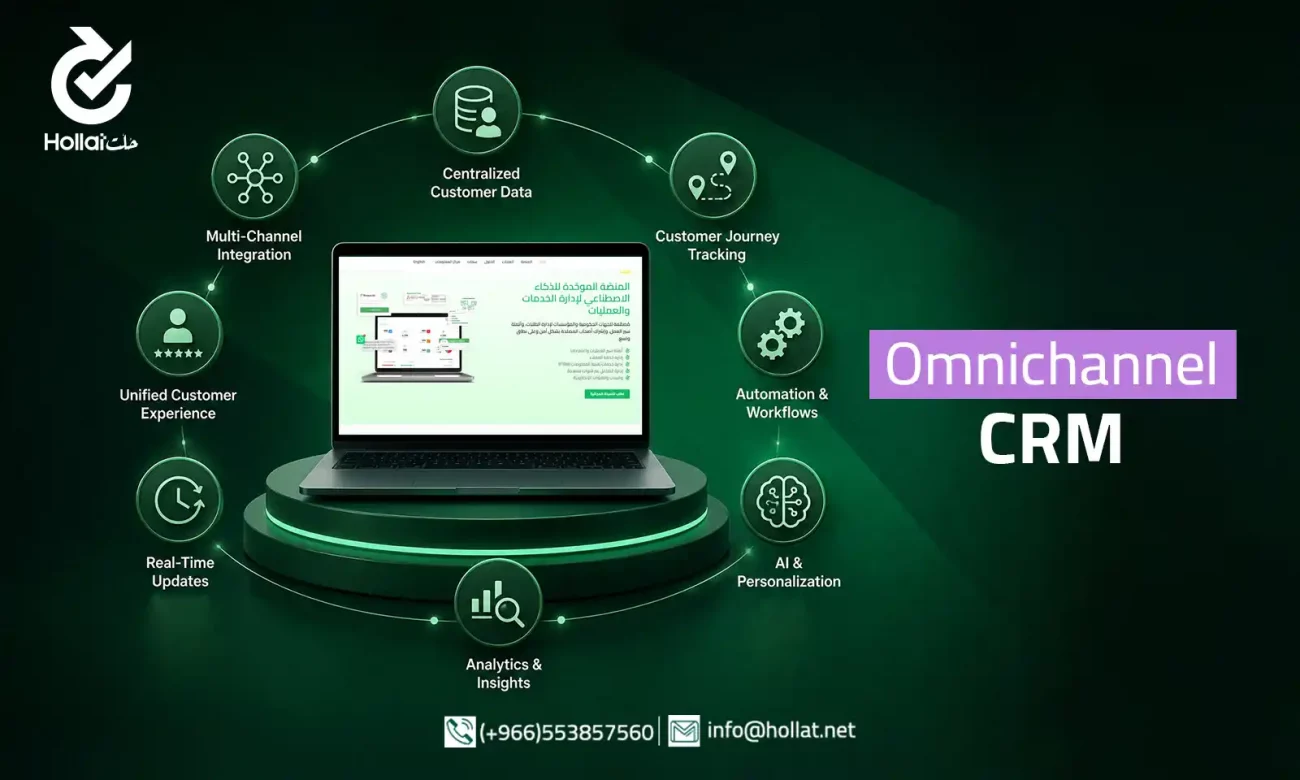
Omnichannel CRM implementation requires a well-defined strategy, the correct tools, and effective internal alignment. Companies are to concentrate on system integration, team empowerment, and customer needs prioritization at the beginning. Once properly implemented, the CRM will be an integrated engine that enables all customer journey phases.
Best practices to follow:
- Have clear objectives before implementation like increased retention or improved response times.
- Trace the entire customer experience to discover the essential contacts and data points.
- Combine all communication platforms such as social, email, apps, phone, and in store systems.
- Concentrate on customer data and maintain it clean, correct and up to date.
- Sales and marketing and support teams should be trained always on how to use the platform.
- Use the Best crm with workflow automation in Saudi Arabia to automate routine work and follow ups.
- Track performance using analytics and make a change accordingly.
- Begin small, experiment, and expand into departments and channels.
Omnichannel vs. Multichannel CRM — Key Differences
Omnichannel CRM and multichannel CRM share the purpose to enable business to communicate with the customers through multiple platforms but operate in completely opposite ways. Multichannel CRM provides contact via multiple channels, such as email, social networks, phone, or chat, but these channels are usually independent of each other, and this may result in disjointed customer experiences. Omnichannel CRM, on the other hand, integrates channels, ensuring that customer data, interactions, and journeys get retained in a single location. It implies that businesses would be able to offer smooth, tailored experiences, react quicker, and retain a consistent message, and multichannel CRM would primarily guarantee the availability on various platforms without complete integration.
Real Examples of Omnichannel CRM in Action
Real-life case studies reveal how the omnichannel CRM can help transform customer interactions and spur business expansion.
- Retail: The world-renowned fashion company operates an omnichannel CRM to follow customer purchases on the internet, through shop floors, and via mobile application. A customer leaving a cart online can be prompted to send personalized emails or app notifications, and the in-store employees can review the customers history to make an individualized suggestion.
- Banking: Omnichannel CRM enables banks to consolidate customer support over the phone, mobile apps, and in-branch visits. When a customer shares a problem through a chat, it is seen equally by the call center agents and the customer is addressed quicker and the experience is the same.
- Hospitality: Hotels use omnichannel CRM to oversee bookings, loyalty programmes, and preferences of the guests on the websites and applications as well as on the front-desk. Visitors are given personalised offers and employees are able to predict and enhance satisfaction as well as returning visits.
Hollat Omnichannel CRM — Complete Customer Unification
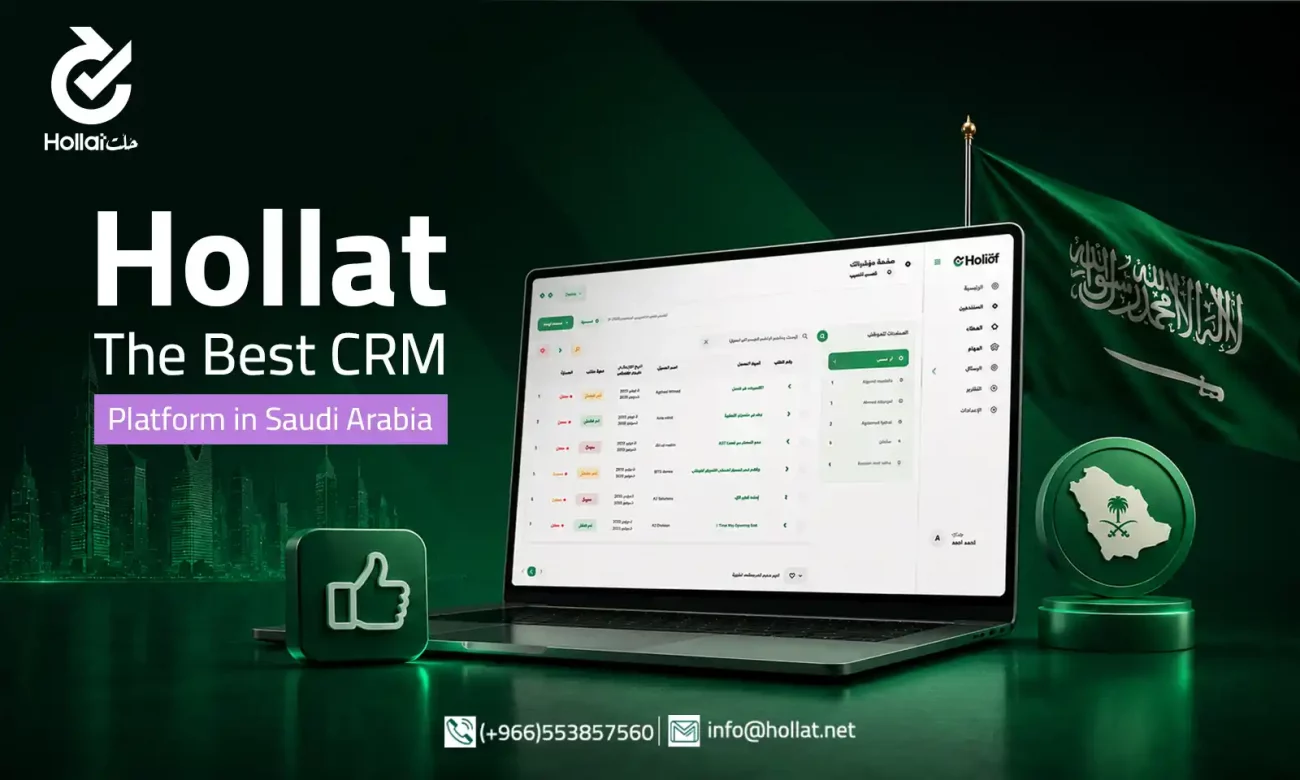
Hollat Omnichannel CRM enables your business to manage all the interactions with the customers under a single streamlined system. With email and social media, live chat and in-store visits, you can see the journey of every customer, creating personalised experiences and improving response times and the relationship with them.
Stop disjointed channels dragging your business down optimize your business and boost customer satisfaction today. Contact us today and we will demonstrate how Hollat CRM works and how you can change the way you relate to your customers.
FAQs
What is an omnichannel CRM?
An omnichannel CRM refers to a system that integrates all customer interactions, including email, social media, phone, chat, mobile apps, and in-store, into one integrated system.
What is the difference between omnichannel CRM and multichannel CRM?
Although multichannel CRM offers various modes of communication, individual channels tend to be individual. Omnichannel CRM bridges the disjuncture between channels, providing a straightforward, cohesive customer experience.
What are the primary advantages of the omnichannel CRM?
It enhances customer experience, provides personalised interactions, accelerates response times, improves sales conversions, improves retention and offers actionable insights with unified analytics.