


Electronic Customer Relationship Management

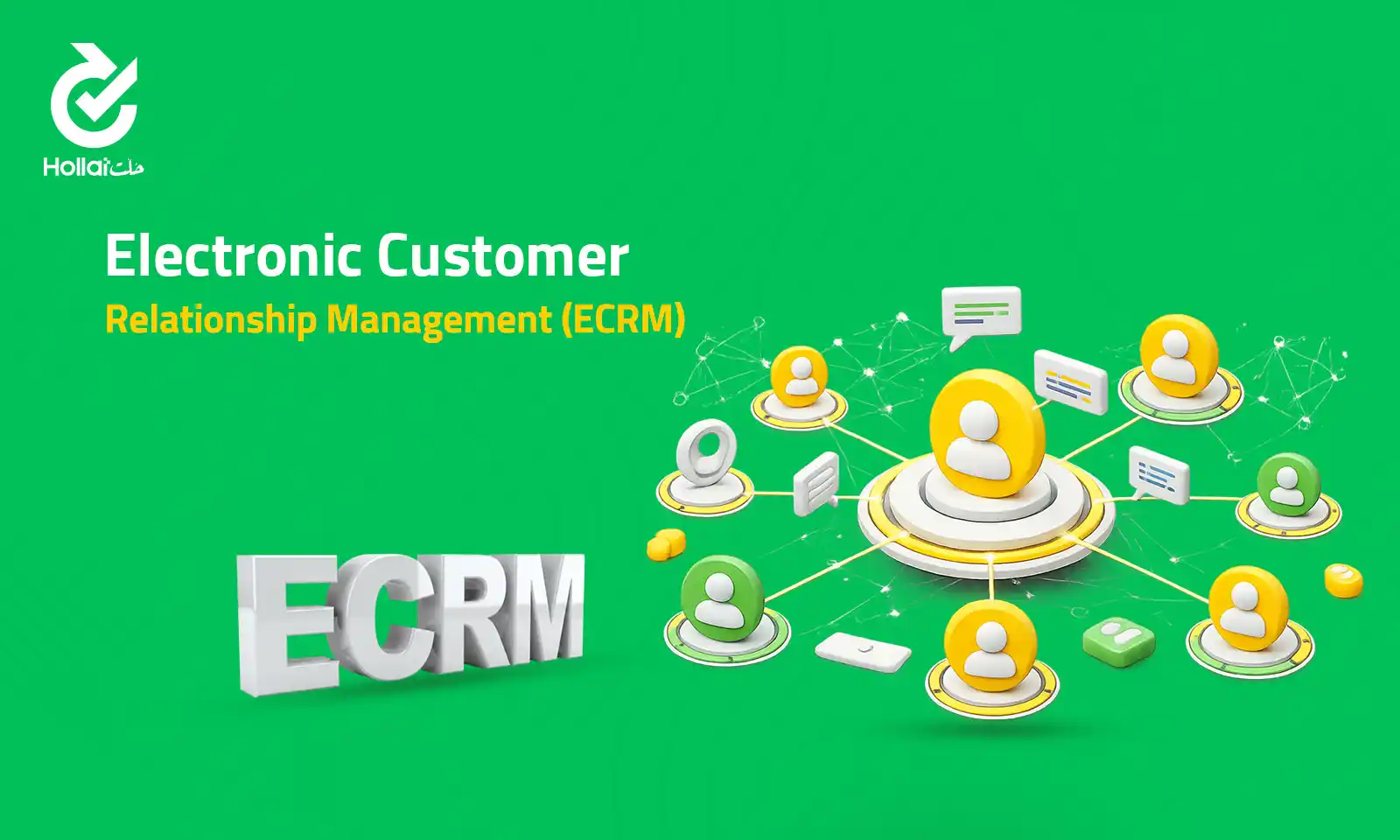
Electronic Customer Relationship Management (ECRM) serves as a strategic approach for businesses to digitally manage and enhance customer interactions. Through the utilization of contemporary technologies, automation, and web-based platforms, ECRM enables businesses to consolidate information, make the engagement more personalized, and enhance efficiency in operations. It is based on this introduction that the transformation of traditional customer management to a dynamic, responsive, and data-driven system is explained with the help of digital tools.
What Is Electronic Customer Relationship Management?
Electronic customer relationship management (eCRM) refers to the use of digital technologies, internet-based platforms, and automated systems to manage and enhance customer relationships. Unlike traditional CRM systems that focus mainly on internal data management, electronic customer relationship management leverages web channels, email, mobile applications, and social media to create real-time, interactive engagement with customers.
An effective electronic relationship management system centralizes customer data from multiple digital touchpoints and transforms it into actionable insights. It enables companies to monitor behavior, customize communication, and operate engagement strategies throughout the customer lifecycle. eCRM has ceased to be an option in a digitally-driven marketplace, but is a strategic requirement.
Differences Between CRM and eCRM
While both CRM and electronic customer relationship management aim to improve customer relationships, the primary difference lies in their scope and digital integration. Conventionally, CRM systems are dedicated to the management of the information about customers, sales pipelines, and support communications within the company. Electronic relationship management extends these capabilities into digital environments.
Key distinctions include:
- eCRM incorporates online customer communications like web access and email communications.
- eCRM helps to make automated campaigns and responses.
- eCRM aids the omnichannel communication process on web, mobile, and social platforms.
- eCRM focuses on data analysis and tracking.
By incorporating internet-based technologies, electronic customer relationship management provides a more dynamic and customer-centric approach.
Digital Customer Engagement Through eCRM
Digital engagement is at the core of electronic customer relationship management. The customers desire quick, individualized, and continuous communication on multiple platforms. eCRM systems are automated to facilitate the workflow of engagement, including welcome emails, abandoned carts, promotional messages, and service announcements.
By tracking their behavior, companies are able to categorize customers according to their browsing history, purchase record or how often they interact. The use of automated triggers is to make sure that the customers get relevant messages at the appropriate time. Such a proactive mode of engagement enhances satisfaction and builds brand loyalty.
Data-Driven Customer Relationship Strategies
One of the most powerful advantages of electronic customer relationship management is its ability to convert data into strategic insight. eCRM platforms collect large volumes of structured and unstructured data from online interactions, transactions, and feedback channels.
Advanced analytics tools within electronic relationship management systems enable predictive modeling, customer segmentation, and performance forecasting. Based on the measurable results, businesses can determine high-value customers, predict the risk of churning, and allocate marketing investments.
Integrating eCRM with Marketing and Sales
Electronic customer relationship management serves as a bridge between marketing and sales teams. With the assistance of the eCRM and marketing automation solution integration, organizations are able to coordinate the lead generation, campaign management, and sales follow-up.
ECRM data are utilized by the marketing teams to develop personalized campaigns according to the customer behavior and preferences. The sales teams can access real-time history of interaction and do a better conversation tailoring and making sales deals with the help of it.
Enhancing Customer Loyalty with eCRM
Loyalty to customers relies on trust, reliability and individualism. Electronic customer relationship management strengthens loyalty by maintaining continuous engagement and delivering tailored experiences.
Within an eCRM platform, it is possible to manage loyalty programs, automated reward systems, and content recommendations based on individuals. By monitoring customer behavior and feedback, businesses are able to change strategies to suit changing expectations.
The use of consistent communications in the digital channels makes customers feel accepted and appreciated. Over time, electronic customer relationship management fosters deeper emotional connections and increases customer lifetime value.
Security and Privacy in eCRM Systems
Because electronic relationship management systems collect sensitive digital data, security and privacy are critical priorities. To protect information, organizations should have established encryption measures, role access controls, and regulatory frameworks.
Data protection laws and other regulatory demands include transparency and accountability in data management, which require the eCRM platform to have audit trails, consent management systems, and secure cloud services to reduce risks.
Effective security measures not only ensure that the customer data is safe, but also enhance the trust and brand credibility.
eCRM for Businesses of All Sizes
Electronic customer relationship management is scalable and adaptable to organizations of all sizes. Automated communication and centralized customer records are beneficial in that they lessen administrative workload in small businesses. Middle-tier businesses acquire powerful analytics and automation of campaigns. ECRM is used in large organizations that are dealing with intricate and global customer environments.
Cloud-computed eCRM systems enable businesses to increase their functions as they expand. Modular architecture means that we are flexible without necessarily changing the entire system. This scalability makes electronic relationship management a sustainable long-term investment.
Common eCRM Implementation Challenges
Implementing electronic customer relationship management (eCRM) presents both opportunities and challenges. Organizations must carefully plan deployment to ensure smooth adoption and maximize value.
The following table outlines common implementation challenges and recommended solutions:
| Challenge | Impact | Recommended Solution |
| Resistance to Change | Low adoption and workflow disruptions | Executive support, clear communication, and staff training |
| Integration Complexity | System silos and process inefficiencies | API-based integration and phased rollout |
| Data Migration Issues | Loss or inconsistency of customer data | Pre-migration data cleansing and validation |
| Employee Training Needs | Underutilization of system capabilities | Ongoing education programs and hands-on support |
ECRM Solutions Offered by Hollat
Hollat provides advanced electronic customer relationship management solutions designed to enhance digital engagement and operational efficiency. Hollat allows companies to implement customer relationships with accuracy and responsiveness through the combination of automation, analytics, and omnichannel communication piping.
The strategy implemented by Hollat is oriented on the personalization of the workflow, its integration with existing systems, and an enterprise-level of security. Through strategic implementation and continuous optimization, organizations can unlock the full potential of electronic relationship management and drive measurable growth.
Contact Us
Ready to elevate your digital customer strategy with electronic customer relationship management? Contact Hollat to discover tailored eCRM solutions that improve engagement, strengthen loyalty, and accelerate business performance.
FAQs
What is electronic customer relationship management?
Electronic relationship management (eCRM) is the use of digital technologies and internet-based platforms to manage and enhance customer interactions across online channels.
How does eCRM improve customer engagement?
By automating communication, tracking behavior, and personalizing digital interactions, electronic relationship management enhances responsiveness and relevance.