


Best Crm Integration with External Systems in 2026

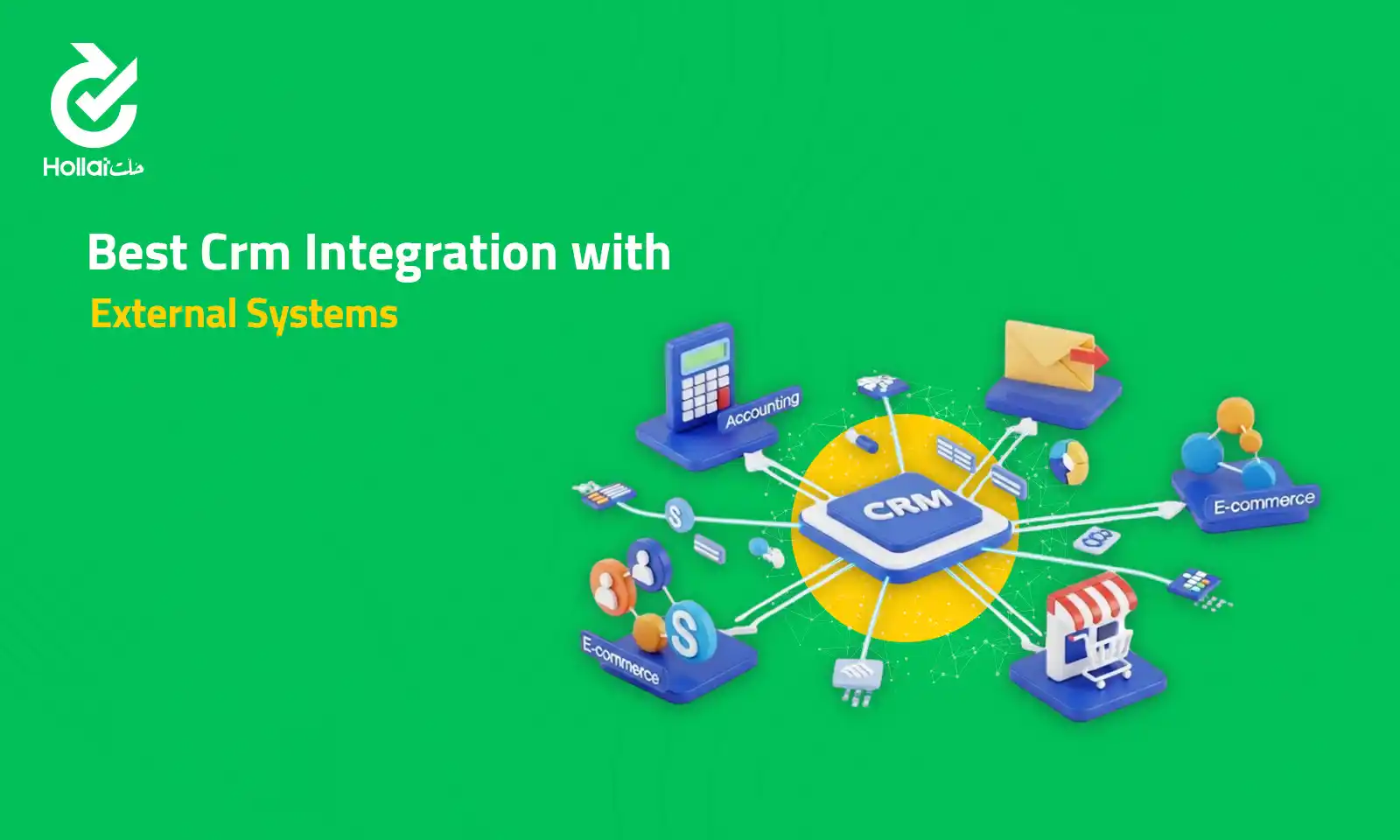
In the modern digital world, where everything is done at a fast pace, businesses are using various software tools to run the business, sales, marketing and customer services. Integration with external systems allows these tools to communicate and share data seamlessly, eliminating manual work, reducing errors, and improving efficiency. Linking platforms like CRMs, ERP systems, payment gateways, and marketing tools, businesses are now able to facilitate smooth operations, have unified data, and provide a better experience to their employees and customers.
Why CRM Integration with External Systems Matters
CRM integration with external systems is essential because it allows businesses to unify data, streamline processes, and improve overall efficiency. The siloed nature of teams without integration tends to make them work independently, including the manual transfer of information between platforms, which may cause errors, delays, and unequal customer experiences. Integrating a CRM with such tools as ERP systems, marketing platforms, help desk software, and e-commerce solutions can help automate workflows, have a full picture of interaction with customers, and make more intelligent, data-driven decisions to improve productivity and customer satisfaction.
Types of Integrations: API, ERP, Payment Gateways, WhatsApp
The integration of CRM may be in a variety of forms based on the systems and tools that a business has. Key types include:
- API Integration: API enables other software applications to interact and share data in a way that provides real-time updates and continuous workflows.
- ERP Integration: links CRM to enterprise resource planning systems to integrate customer, inventory and financial data to enhance operational efficiency.
- Payment Gateway Integration: This will connect CRM to the payment processors to monitor transactions and handle invoices and ensure the system gives proper billing information.
- WhatsApp Integration: The feature allows communicating with customers in the CRM directly, making the dialogue more organized and providing faster and more personalized customer service.
How External Integrations Improve Productivity
Activities related to integrating your CRM or business-related tools with external systems can greatly increase productivity. Through the automation of information flow and integration of platforms, teams will have the ability to work more effectively, minimize mistakes, and concentrate on actions that actually create growth.
Diffusion productivity advantages are:
- Automated Data Transfer: Removes manual data transfer and errors.
- Real-Time Updates: Keeps the teams informed.
- Minimized Friction: Bridges various platforms into a single smooth process.
- Better Cooperation: The teams can use the same data on a cross-departmental basis.
- Reduces time to decision-making: Cohesive ideas result in faster, fact-based responses.
- Less Administrative effort: Empowers workers to concentrate on the valuable work.
Read More: Best automation crm for Insurance Companies 2026
Data Synchronization Across Multiple Systems
Information synchronization among different systems makes the information in these systems to be constant, correct, and relevant in all the platforms utilized by a business. As a customer changes their contact information, purchases items or even contacts the support team, the changes are automatically reflected in the CRM, ERP, marketing tools, and other integrated systems. This prevents duplicates, minimizes mistakes, and gives the teams a single representation of customer data. Congruent data allow workflows to be run without any problems, reporting becomes more reliable, and employees are able to make informed decisions without having to switch between disconnected systems.
Using Webhooks and APIs for Automated Workflows
Webhooks and APIs offer a potent way of creating automated systems integrations. Application Programming Interfaces (APIs) enable various software applications to interact and share data in real-time, and webhooks perform certain functions as soon as a specific event happens, like the addition of a new lead or the completion of a payment.
With APIs and webhooks, businesses have the ability to automate repetitive processes such as updating records, notifying or synchronizing data across platforms. This removes manual labor, errors, and keeps all systems up-to-date so that teams can concentrate on more productive activities and enhance the overall efficiency of operations.
Common Challenges in CRM Integrations
A CRM integration with the external systems may introduce substantial advantages, yet, it is accompanied by challenges that the business must overcome. Being aware of these shared problems allows planning and execution of integrations more efficiently, which would result in a more successful implementation and improved long-term outcomes.
| Challenge | Description |
| Data Inconsistency | Conflicting or outdated information between systems can lead to errors and confusion. |
| Technical Complexity | Integrations may require advanced technical knowledge, APIs, or custom development. |
| System Compatibility | Not all platforms support direct integration, requiring middleware or workarounds. |
| Security Concerns | Sharing data across systems can raise privacy and cybersecurity risks if not properly managed. |
| Maintenance & Updates | Integrations need ongoing monitoring and updates to remain functional as systems evolve. |
| Cost & Resources | Integration projects can be time-consuming and require dedicated budget and personnel. |
Examples of External Systems Integrated with CRMs

Integration with External Systems
The following are some of the typical external systems that businesses usually integrate with their CRMs:
- ERP Systems: Links customer, inventory and financial information to facilitate single business operation.
- Payment Gateways: Records transactions, invoices, and billing information in the CRM.
- Marketing Channels: Matches campaign, leads, and engagement rates to do directed marketing.
- Help Desk/ Ticketing Systems: Provides that support requests and customer interactions are recorded and available.
- E-commerce Platforms: Shares customer, product and order data to simplify sales and fulfillment.
- Tools of communication (Email, WhatsApp, Chat): The messages are centralized, and the responses are quick and personalized.
Read More: ticket tracking software
Hollat CRM Integrations — Connecting Every Tool You Use
Hollat CRM ensures the seamless integration of all your business tools. ERP systems, payment gateways, marketing platforms, communication apps such as WhatsApp and email, and others, Hollat CRM is able to make all systems work in harmony with each other. Automated workflows, real-time data synchronization and integrated customer insights enable your staff to be productive, minimize manual efforts, and provide improved experiences. Learn to streamline your operations with the help of the Hollat CRM integrations Learn to contact us and get started today.
FAQs
What does integration with external systems mean?
It means integrating your CRM or business software with other tools and platforms in a way that enables them to exchange data and cooperate in a seamless way.
Why is CRM integration with external systems important?
It eradicates manual data entry, minimizes errors, consolidates customer data, and simplifies the workflow, enhancing efficiency and decision-making.
What are the common types of integrations?
The most common integrations are APIs, ERP solutions, payment gateways, marketing platform, help desk tools, e-commerce solutions, and communication applications, such as WhatsApp.